MotoTireGuy
Motorcycle Tire FAQ (Frequently Asked Questions)
* TIRE PRESSURES *
It is very important to check your tire pressures at least once a month. All pneumatic tires slowly leak and lose air pressure over time regardless of the bike being parked or in use. Riding on under inflated or over inflated tires has a negative impact on tire performance, tire life and your safety.
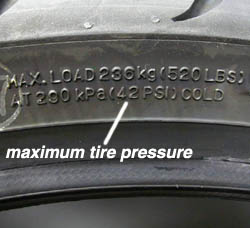
The tire pressure information stamped on the sidewall every tire is the maximum tire pressure. Use this maximum pressure only when asking the tire to carry it's maximum rated weight load. The maximum rated tire pressure for most motorcycle tires is 42psi. Use the indicated maximum pressure only if you ride a very heavy touring motorcycle or carry a very heavy passenger. Do not exceed this maximum pressure.
Generally speaking, lightweight 250 pound dirt bikes typically use tire pressures in the 15psi range. Lightweight 300 pound supermoto bikes typically use tire pressures in the 25psi range. Middle weight 350 pound standard bikes typically use tire pressures in the 30psi range. Middle weight 450 pound standard/sport bikes typically use tire pressures in the 35psi range. Large heavy weight +600 pound touring bikes typically use tire pressures in the 40psi range.
* TIRE AGE *
Rubber products do not improve with age. Sunlight, ozone, heat cycles, road salts, cleaning solvents all take their toll on healthy tires over time. The rubber slowly become more brittle and loses the good road gripping sticky qualities we depend on. In some cases you maybe begin to see small cracks developing in the tire tread or the tire sidewalls.
Every US Department Of Transportation (DOT) approved automotive and motorcycle tire has the tire birth date stamped sidewall. The format of this date appears in a WWYY format, as in week/year. For example the manufacture date code of 4407 translates to the 44th week of 2007. Tires produced prior to the year 2000 use a three digit code. For example the manufacture date code of 378 translates to the 37th week of 1998. New tires should be less than 3 years old. I recommend discarding used motorcycle tires after 8 years of age.

* NEW TIRE BREAK-IN PROCEDURE *
Beware, new tires are slippery! Always ride slower than normal and use abundant caution when first riding on brand new motorcycle tires or you risk slip sliding the tire, potentially crashing, damaging the motorcycle and potential bodily injury to you. New tires need to 'heat-cycle' a couple of times before they can begin to offer 100% of available grip. This break-in procedure is typically accomplished after the first 50-100 miles of use. Using sandpaper on a new tire in an attempt to accomplish break-in does not work.
* TIRE SIZES - IS BIGGER BETTER? *
A wider than stock tire is NOT automatically the improvement you might think. The 'best' tire size is most often the stock tire size. When you try to install a wider tire the same size wheel the tire shape/profile typically becomes distorted resulting in abnormal steering character and abnormal tire wear. If you really want a wider tire the right way to get there is to match the wider tire with a corresponding wider wheel.
In the illustration below you can see what happens when you try to mount a 190/50/17 size tire on a 5.5x17" wheel normally designed for 180/55/17 size tires.

* TIRE REPAIRS - PLUG/PATCH *
There are two types of puncture repairs for tires. Outside-In plugs (temporary) and permanent Inside-Out plugs (permanent).
The most common on the road tire fix is the outside-in repair. These repair kits typically include a specialized piece of sticky rope or a mini-mushroom type plug. This outside-in type of repair does not require removing the tire from the wheel and is applied from the outside of the tire. This type of repair is considered temporary, allowing the rider to limp the bike back home or to a service shop where a proper inside-out repair can be done or by having a new tire installed.
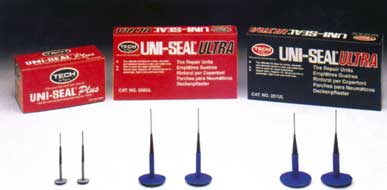
The other more method is the inside-out repair. This method is not easy to do on the side of the road. This preferred repair method requires removing the tire from the wheel, drilling out the hole to a more uniform size and installing the plug/patch from the inside of the tire. I use the Uni-Seal 250UL plugs. This is the only 'approved' method for proper and permanent repairs of tire punctures.
Tire Slime inflate-a-flat type products are an alternate method for temporary tire repairs. This approach is also a temporary fix. Used long term these tire slime products can cause corrosion to alloy wheels. Please warn the tire technician if you have slime inside your tire before they begin work. Tire slime makes a mess when you remove the tire.
All tire repairs affect the maximum speed rating of the tire. Repaired tires are not approved for speeds over 70mph. If you are running an inner tube type tire these plug repairs do not work. A new or patched/repaired inner tube is required.